
Shield the Vulnerable – Untold Stories:
The Unseen Battle Against Human Trafficking
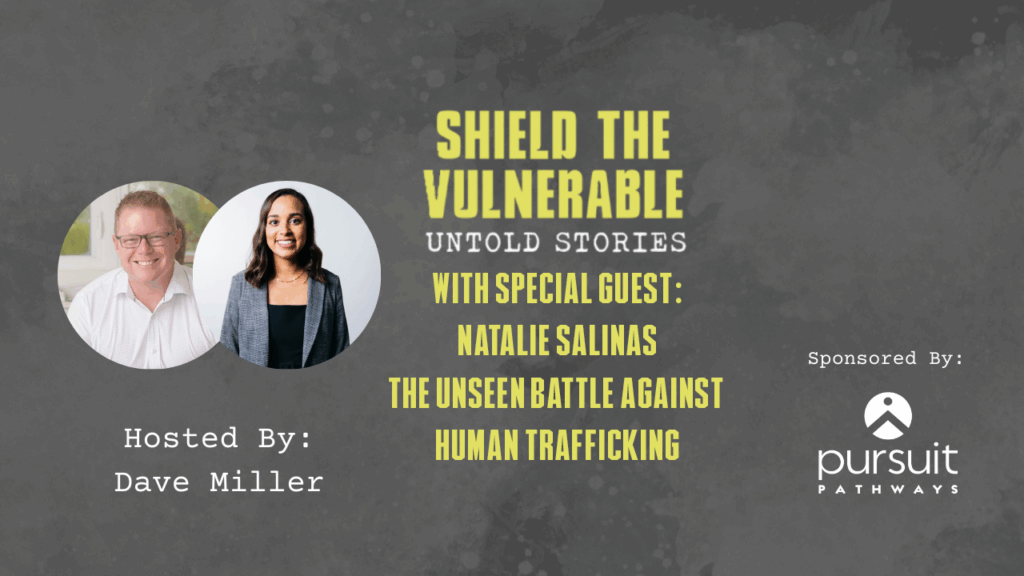
In a recent episode of Shield The Vulnerable: Untold Stories, host Dave sat down with Jennifer Martinez to unpack a risk that often goes unnoticed but affects thousands of workers every year: heat stress, dehydration, and chronic physical depletion in demanding work environments.
Jennifer, a health and wellness professional with decades of experience working with athletes and industrial workers, brings a different lens to employee wellness. She challenges the long-standing “water and shade” narrative and introduces a more holistic, human-centered approach—one that views workers as industrial athletes whose bodies require proper fueling to perform safely and sustainably.
A Problem Hiding in Plain Sight
Heat-related illness is often treated as an unavoidable part of physically demanding work. Construction sites, manufacturing floors, warehouses, and outdoor job sites routinely expose workers to extreme temperatures, long shifts, and intense physical strain. According to OSHA, over 500,000 heat-related illnesses occur annually—and many experts believe this number is significantly underreported.
What makes this issue especially dangerous is how normalized it has become. Fatigue, dizziness, cramps, brain fog, and exhaustion are often dismissed as “part of the job.” Workers push through because that’s what’s expected of them. But as Jennifer explains, this mindset carries real consequences—not just for productivity, but for safety, health, and life at home.
Why Water Alone Isn’t Enough
One of the most disruptive truths Jennifer shares is that water alone does not hydrate the body in high-heat, high-exertion environments. While hydration has long been emphasized as the solution, it ignores a critical factor: electrolyte loss.
When workers sweat for hours at a time, they lose essential minerals like sodium, potassium, and magnesium. Replacing fluids without replacing these minerals can actually worsen dehydration, leading to muscle cramps, cognitive impairment, heat exhaustion, and even collapse.
Jennifer offers a powerful comparison: when someone arrives at the emergency room with heat stress, doctors don’t give them a gallon of water—they administer an IV. The reason is simple: the body needs minerals to restore balance and function.
The Industrial Athlete Mindset
Jennifer reframes the conversation by comparing industrial workers to professional athletes. Athletes are trained to fuel, recover, and prepare their bodies for performance. Yet workers performing physically demanding labor for 8–12 hours a day are rarely given the same education or resources.
This lack of preparation doesn’t just affect the job site. Jennifer shares how proper fueling improved her own husband’s performance as a police officer—and how it changed his ability to show up at home as a husband and father after long shifts. When the body is depleted, families often absorb the emotional and physical spillover.
The True Cost to Organizations
The financial impact of heat stress extends far beyond a single incident. Hospitalizations, insurance claims, project delays, job site shutdowns, and increased EMR ratings all carry long-term consequences for organizations.
Jennifer explains that companies investing in preventative wellness measures often see zero heat-related incidents after implementation—along with measurable gains in productivity and morale. In some environments, crews are forced to stop work by midday due to exhaustion. Proper fueling can extend safe working hours and help teams maintain focus throughout the day.
Vulnerability Through Depletion
Fatigue doesn’t just affect physical output—it impacts judgment, reaction time, and decision-making. Workers who are cognitively depleted are more vulnerable to accidents, errors, and injuries.
In the broader mission of Shield The Vulnerable, this episode reinforces a critical truth: vulnerability isn’t always visible. Sometimes it looks like exhaustion, compliance, or silence.
What Needs to Change
Jennifer emphasizes that real change starts with education. When workers understand how their bodies function—and why they feel the way they do—behavior begins to shift. Prevention must replace reaction. Wellness must be seen not as a perk, but as a safety measure.
Leadership also plays a crucial role. When organizations demonstrate genuine care for their employees’ well-being, trust increases, culture improves, and engagement follows. Wellness, safety, and performance are not separate conversations—they are deeply connected.
Final Thoughts: Protection Through Prevention
This episode of Shield The Vulnerable: Untold Stories challenges us to rethink how we define protection in the workplace. It’s not just about compliance, policies, or checklists. It’s about understanding the human body, acknowledging unseen risks, and creating environments where people can work safely and return home whole.
As Jennifer makes clear, outdated thinking is costing lives. And the solution isn’t complicated—it just requires intention, education, and care.
Because protecting the vulnerable starts long before the emergency happens.
About Natalie Salinas
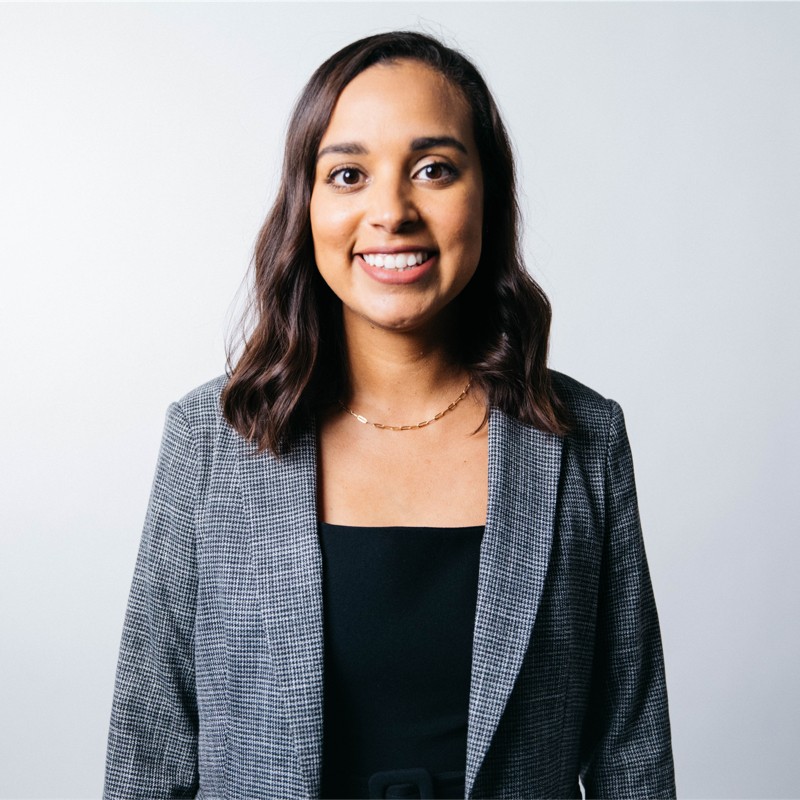
Natalie Salinas is a dedicated advocate in the fight against human trafficking, serving as the
U.S. Reach Coordinator for The A21 Campaign.
In this role, she works to expand A21’s presence across the United States by raising awareness,
engaging with communities, and supporting initiatives that prevent exploitation.
Natalie plays a vital role in organizing impactful events like the Walk for Freedom,
a powerful demonstration where participants march silently in solidarity with trafficking victims.
She also shares her insights through media platforms, such as her appearance on BCB Live,
where she educated logistics professionals on identifying and preventing trafficking.
Through her dedication and advocacy, Natalie Salinas continues to be a driving force in
A21’s mission to abolish slavery everywhere, forever.