Shield The Vulnerable: Untold Stories When Training Prevents Tragedy
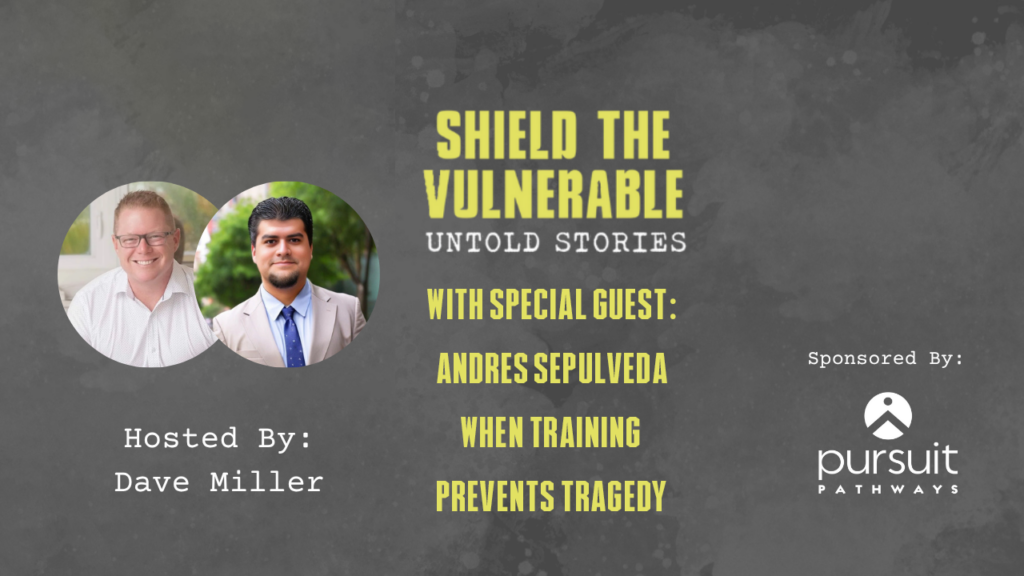
In a recent episode of Shield The Vulnerable: Untold Stories, host Dave sits down with Andres Sepulveda, a senior HR leader with decades of experience across manufacturing, retail, and corporate sectors. Their conversation cuts to the heart of a growing crisis in our workplaces and communities: the rise of violence and exploitation, and the profound role that empathy, preparation, and proactive training play in saving lives.
Andres doesn’t just talk theory—he shares raw, real-life stories from the front lines of HR, where intuition, policy, and human connection collide.
The Empathy Gap: More Than a Policy
The conversation begins with a powerful premise: we are all one degree away from someone impacted by workplace violence or online exploitation. Andres argues that at the core of prevention is something often overlooked in compliance checklists—empathy. “Our society is driven by technology… it has removed some of our humanity, and that includes our empathy.” He describes workplaces where people walk past a colleague having a breakdown, being bullied, or visibly struggling. His philosophy is simple but radical in its application: If you see something, say something—and do it with empathy. For HR leaders, this means intentionally slowing down, reading between the lines, and having human-to-human conversations before issues escalate into crises.
From Reactive to Proactive: The Hurricane Mindset
One of the most compelling analogies Andres offers is that of hurricane preparedness. In Florida, businesses don’t wait for the storm to hit to create a plan—they have systems in place because they know the risk is real. “We shouldn’t be focusing on, ‘Maybe it’s not going to be a Category 5.’ Set up precautions because you never know.” Yet, when it comes to threats like active shooters, intimate partner violence, or workplace assaults, organizations often fall into the “it won’t happen here” trap. Andres challenges this mindset, pointing out that violence doesn’t discriminate—it happens in schools, churches, Walmarts, and health clubs. Waiting to act until after an incident is a gamble with human lives.
Training That Transfers: Beyond the Four Walls
Andres shares a harrowing firsthand account of an active shooter incident at one of his former retail stores—a case of intimate partner violence where an employee’s ex-boyfriend arrived armed. Thanks to mandatory, recurrent active shooter training, the store manager knew exactly what to do: lockdown, communicate, and evacuate. “He had the mentality, ‘I never thought this would happen in my store.’ … If it wasn’t for the training, I don’t think my store would have been safe.” The training didn’t just protect employees—it protected customers. Andres emphasizes that good training isn’t just for the workplace; it equips people to respond to threats at home, in public spaces, or while traveling.
Calm Over Chaos: The Fire Drill That Taught a Lesson
Not all stories are about firearms. Andres recalls a fire alarm incident in a call center where a known “overreactor” panicked at the smell of smoke. His panic spread, turning an orderly evacuation into a chaotic, dangerous stampede. “It only takes one person to have that reaction in a mass [situation].” The lesson? Mental preparation is everything. When people visualize and rehearse their response, they build neural pathways that kick in during real emergencies. This “calm over chaos” mindset can mean the difference between life and death—whether in a fire, an active threat, or any sudden crisis.
The Cost of Complacency: A $10 Million Lesson
The conversation turns sober as Dave references the 2023 case of a teacher shot by her six-year-old student. Leading up to the incident, multiple red flags were reported and ignored. The teacher later won a $40 million settlement because the school failed to act. “We can never underestimate having that thought of, ‘It’s never going to happen here.’ … You will be sorry or regretful if you aren’t prepared.” Andres ties it back to empathy: small acts of kindness—checking in on a coworker, offering lunch, listening without judgment—can defuse rising tension and make people feel seen and valued.
Leading as a Human, Not Just a Resource
Throughout the conversation, Andres embodies what it means to put the human back in Human Resources. He doesn’t hide behind policy manuals; he leans into intuition, connection, and courage. “It takes a village… Lead with empathy. And sometimes, just be a human. That’s all it takes.”
Final Thoughts: Building a Shield of Preparedness
This episode of Shield The Vulnerable is an urgent reminder that safety is not a policy—it’s a culture. It’s built through consistent training, empathetic leadership, and the courage to act before tragedy strikes. Whether you’re an HR professional, a manager, or an employee, you have a role to play. Don’t wait for the storm to prepare. Start the conversation. Run the drill. Show the empathy. Because in the end, the best defense is a community that cares enough to act—before it’s too late.
Andres Sepulveda
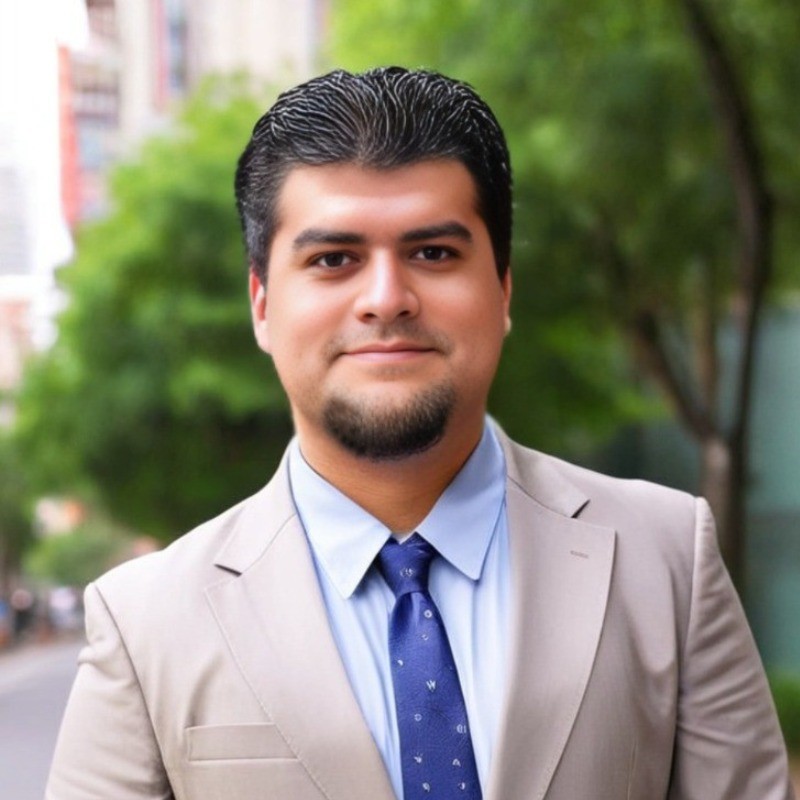
Andres Sepulveda is a senior Human Resources leader with extensive experience in manufacturing, production, retail, and corporate sectors. He is known for his foundational belief that empathy is the most critical tool in an HR professional’s arsenal for building a safe, engaged, and proactive workplace culture. His approach centers on “putting the human back in Human Resources,” advocating for leaders to intentionally slow down, observe, and connect with employees on a personal level to prevent issues from escalating into crises.
Drawing from his firsthand experience managing active threats, including an incident involving an armed individual at a retail store, Andres champions the life-saving importance of proactive training and mental preparedness. He applies a “hurricane mindset” to workplace safety, arguing that organizations, like those in storm-prone areas, must have plans in place before disaster strikes. His practical philosophy extends beyond policies, emphasizing that effective safety training builds neural pathways for calm responses, empowering employees to be leaders—not just heroes—in moments of chaos, whether at work, home, or in their communities.
Andres is passionate about moving organizations from a reactive to a proactive stance on employee wellness and safety. He believes that small, empathetic acts—like checking in on a colleague—are powerful first steps in violence prevention and that building a true “full circle culture of safety” is paramount for employee engagement and trust. For him, protecting the vulnerable begins with seeing something, saying something, and having the courage to care long before a warning sign becomes a headline.